
Autumn Newsletter

Seasonal whiplash I am calling it. But also breakthrough. The moment(s) where the doubt is so loud only to realise you were in transition all along. From 1 to 2 (children). From who you were, to who you’re becoming. Knowing what is needed to come home and be home to my children more fully.
Autumn is the threshold.
Not quite the fullness of life, not yet the stillness of winter.
But the moment where something begins to turn inward.
It is the season of descent,
of harvest,
of letting go.
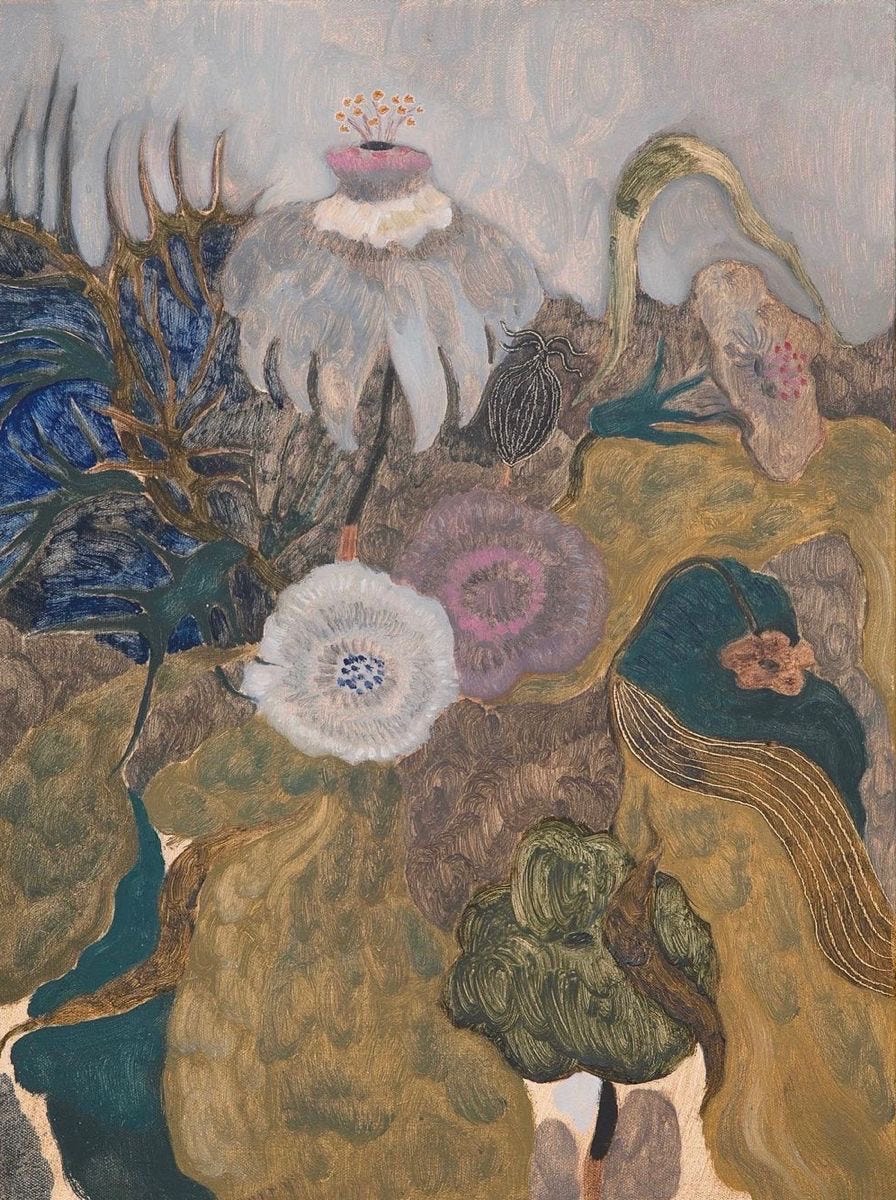
I peel cradle cap off my daughter’s head with my bare fingernails while I witness the thoughts of the perfect mother (myth) rise to the surface. What am I doing wrong?What can I do better? I feel it all but know it’s actually just awareness. I (still) feel it all and know what must be done. The guilt I feel is actually not something to fix at all,
but alignment waiting.
Finally… a ha! I come back to my center. See and let go of expectations. Let go of how I did life as a mother of 1. Begin to morph to mother of 2. Letting go. Or at least deciding what is my priority and owning that.
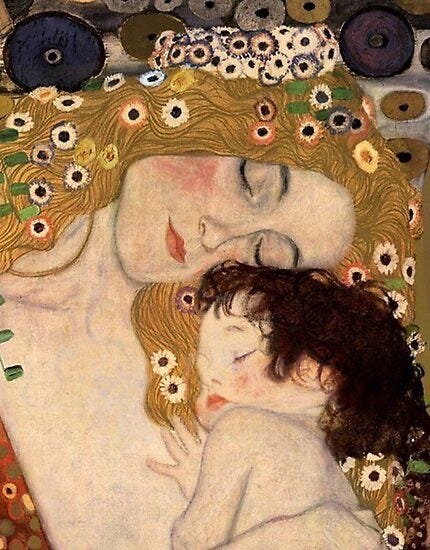
I love autumn because it’s when everything starts to fall to the ground and it feels like a sacred pause to regather. Tune in. Find meaning and move more in alignment. Then when winter comes we can really shake loose and shed what is not ours to keep and plant seeds in the dark to germinate come spring.
In each season there is always preparation for the next.
In german new medicine skin symptoms are often seen as the resolution phase after a stress or conflict, meaning the body is repairing. I look at the cradle cap. The visible flaking. The shedding. The revealing of something softer underneath. A physical visualisation of the deeper undercurrents. And the understanding that we (mother, baby) are one still.
What moves through her, moves through me. What is shedding for her, is shedding for us.
Less noise, more presence, a big sigh out as I’m finally listening. If it feels like you’re reliving the same stories over and over and overrrrrrrrrrr again. It may not actually be because you haven’t not done “the work”. It’s just another layer. Another seasonal and cyclical understanding to bow down to. And so it is.
Autumn in the body
In the body, Autumn reflects the luteal phase of the menstrual cycle.
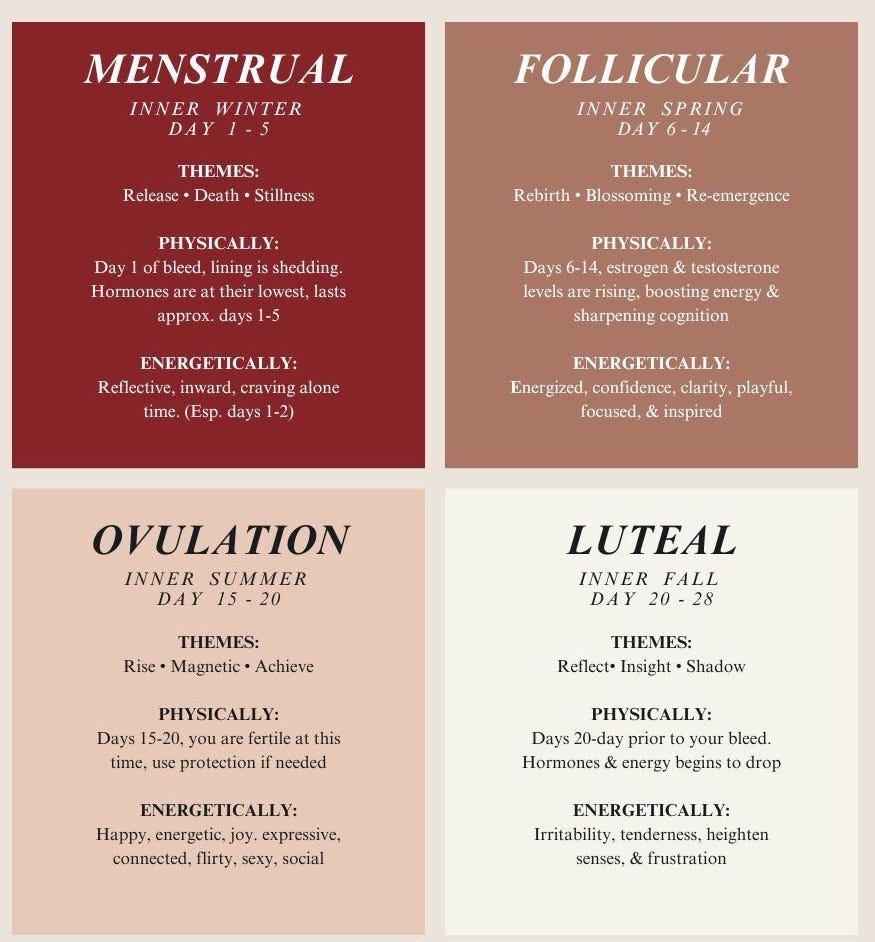
After ovulation, hormones begin to shift. Progesterone rises, creating a different internal landscape, one that is less outwardly expansive, and more inwardly attuned.
Energy may begin to soften and turn inward. Sensitivity can increase.
There is often a growing awareness of what feels nourishing… and what doesn’t.
You may notice:
A desire for more space or solitude
Heightened emotional clarity
Less tolerance for what feels misaligned
A pull to complete, close, or tidy what has been open
Biologically, the body is preparing. Not for outward connection, but for potential the potential of implantation… or release.
This is a threshold phase.
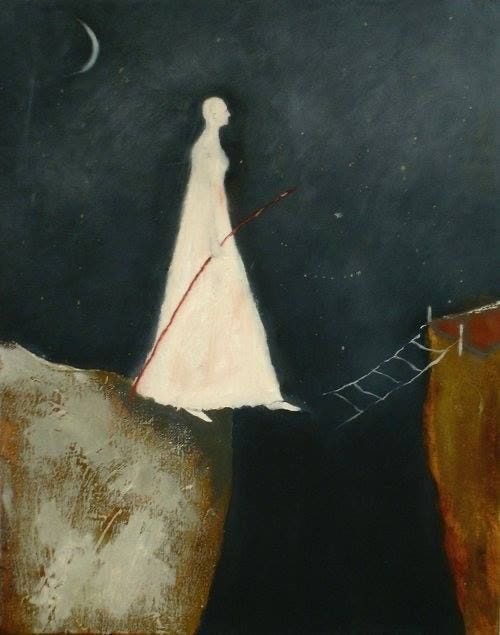
While summer reaches outward, autumn begins to draw energy back in.
It is a time of discernment. And while this phase is often misunderstood… framed as irritability or instability… its deeper intelligence is actually refinement.
You are sensing more. Seeing more clearly.
Not everything can come with you into the next cycle. This is about honouring what is true.
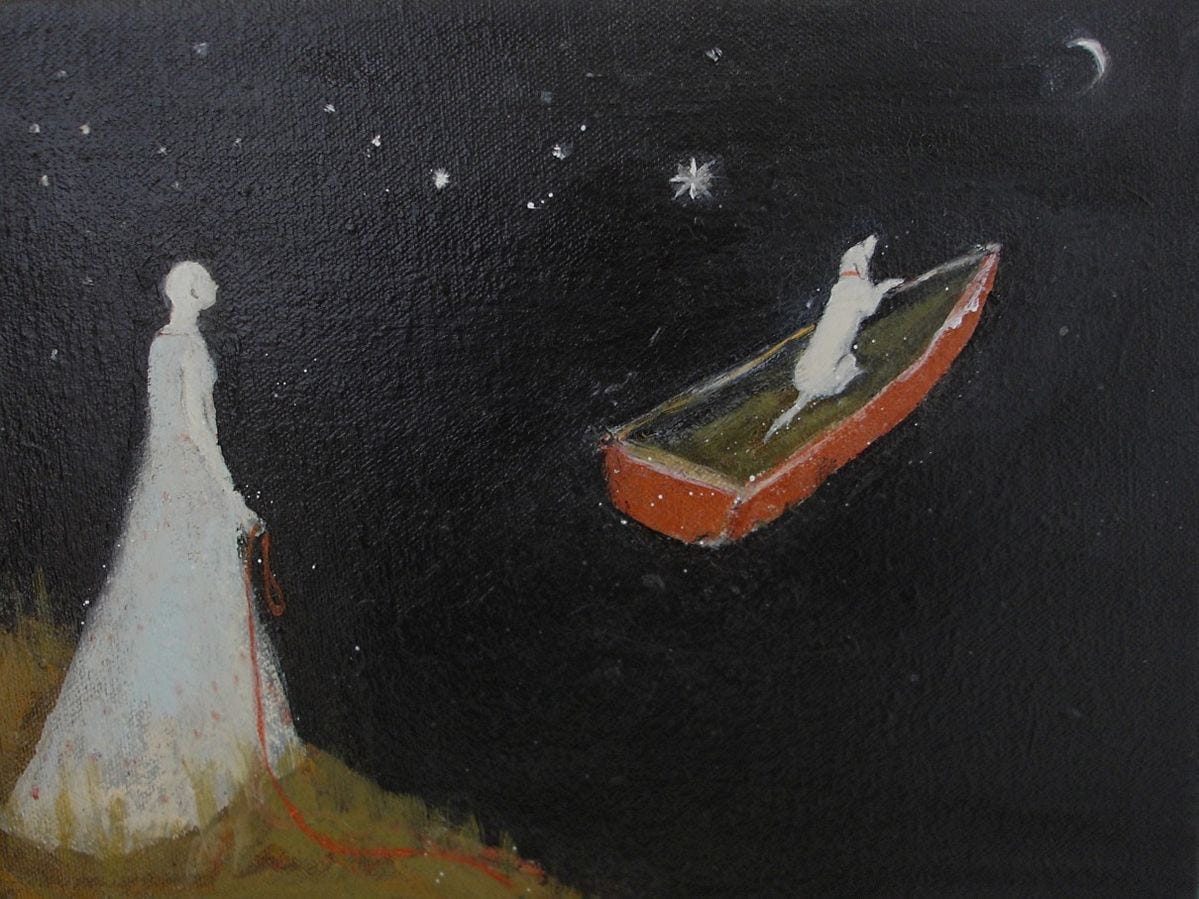
Autumn is where you gather the harvest.
What worked?
What didn’t?
What feels complete?
Notice what is ready to be released.
And what is asking to be carried forward.
Autumn Myth
This season, I’ve included a complete excerpt from the book I am currently reading called Weaving a Woman’s Life by Barbara Black Koltuv. This excerpt touches on the power held in our withdrawing and unseen ways as women, so deeply kindred to the season of autumn.
Barbara writes:
In the Bible women prepare for heroic acts by applying kohl in a ritual of ceremoniously costuming and masking one’s inner intent: not as a way of making oneself attractive to others, nor as a way of “fixing” oneself or of becoming accept-able. In Old Testament times, when people were closer to their earlier matriarchal goddess-worshipping cultures, women still made cakes to the Queen of Heaven, the moon (Jeremiah 7:18). Women got in touch with their feminine-creative power by veiling themselves.
Esther prepares for a terrifying encounter with the king, a course she has chosen against his divine patriarchal rule by withdrawing, meditating, and applying kohl and other magical potions (see figure 5 on page 10). Thus, she saves her people, our Judeo-Christian ancestors, from annihilation. Yael retreats into her tent, applies kohl and other unguents, and then invites Sistera, the enemy of her people, in. She feeds him milk and honey and makes him sleepy. Then she drives a tent peg through his skull. Judith, too, applies kohl and veils herself. Then she seduces and decapitates the enemy of her people and carries his head home in a basket. Tamar also ritualistically paints her eyes, veils herself, disguising herself as a prostitute, and waits by the side of the road to force her father-in-law to do what she believes is right and just.
Later historically, Jezebel’s painted veiled eyes and her feminine power are decried. And in the New Testament, Salome unveils herself in a ritual dance to obtain John the Baptist’s head on a platter. Is this perversion of the deep instinctual feminine need to veil oneself an expression of collective feminine wrath at the coming of a Christian age, where the son of God carrying all the Solar light values is born of a a virgin standing on the crescent moon and women are demi-grated as sinful temptresses, or idealized as vessels for kinder, kuch, and kusch?
What I find so powerful in this is the question she’s really asking:
Has something that was once sacred feminine preparation… became labelled as dangerous feminine manipulation?
Perhaps these taboos point to a deeper fear… of the long neglected feminine, and the quiet power held within her cyclical, embodied mysteries?
You see, in these stories, the power is not passive. It is precise. It is strategic. It cuts through what is no longer aligned. And it can’t really be controlled because it comes from something true and unwavering within. When we are connected to that unseen place of knowing. The place of the unseen. The mystery. TO OURSELVES. It is uncontrollable to any outsider swaying. And because of that, it is feared my society, in particular the patriarchy.
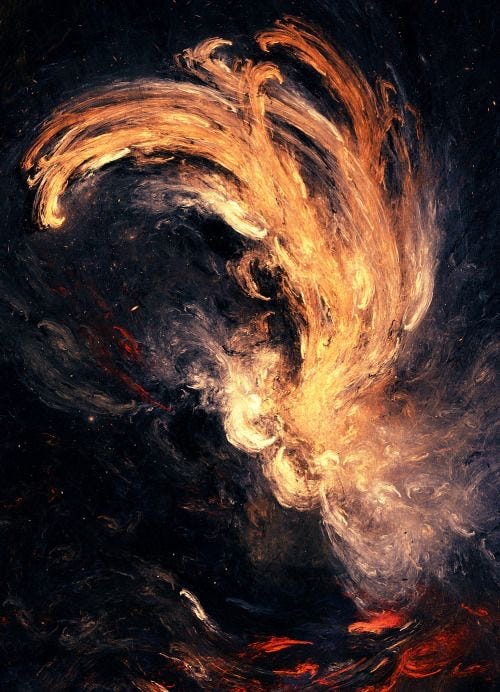
This is where autumn meets us.
Not as a season of decline, but as a season of discernment.
Where things fall away. Where truth becomes clearer. Where we turn inward, not to disappear… but to gather.
Autumn is for the woman who withdraws, who holds something quietly within, and honours her full feminine nature. She understands the inward turn is not a failure, but a necessary, cyclical movement. And when that is respected… something deeper returns. A clarity. A steadiness. And a connection to something ancient, to something instinctual, to something whole… powerful… unwavering… TO SELF.
Autumn Professional Update
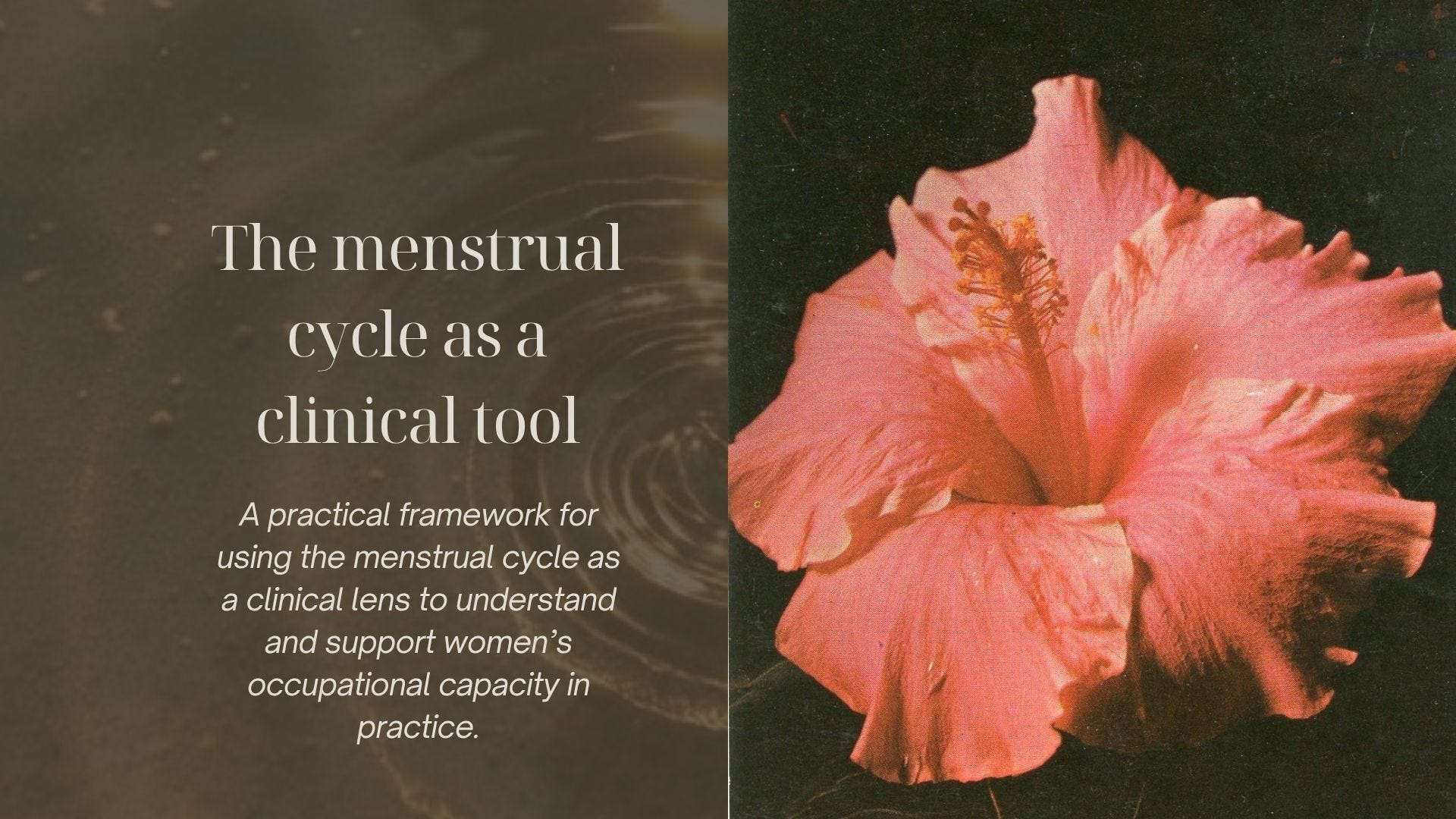
I’ve been working on my short CPD for women Occupational Therapist’s called The Menstrual Cycle as a Clinical Tool — A practical framework for using the menstrual cycle as a clinical lens to understand and support women’s occupational capacity in practice.
In practice, we are often working from a 24 hour model of consistency, expecting stable energy, cognition, emotional regulation, and participation. Yet for many women, capacity is not static. It is rhythmic.
The menstrual cycle offers a more allinged and individual biological rhythm that can help us understand fluctuations in:
energy and fatigue
cognitive clarity and processing speed
sensory tolerance and overwhelm
emotional range and relational capacity
motivation, initiation, and follow-through
Rather than interpreting these shifts as dysfunction, inconsistency, or reduced compliance, we can begin to see them as contextual and physiological.
This lens invites a different kind of clinical reasoning:
supporting women to track and recognise patterns in their own lived experience
adapting expectations, environments, and demands in alignment with capacity
reframing “setbacks” as part of a broader, cyclical pattern rather than linear failure
working with the body’s rhythm, rather than against it
Practically, this can be integrated through reflective tools, collaborative tracking, and modals such as the Kawa Model — mapping flow, barriers, and supports across different phases of the cycle.
This is not about reducing women to hormones, nor applying a rigid structure to care. It is about expanding our clinical lens to include infradian rhythms and self relating understanding as part of occupational life — and in doing so, offering care that is more attuned, responsive, and humane.
This work is the beginning of a much deeper inquiry into the rhythms, transitions, and inner landscapes that shape women’s lives and participation.
Click here to sign up for the first release at a special price for founding members.
Also, a final call for the Nourished Mothers Nourished World tee pre-order — closing at the end of May. All orders will ship out in June.
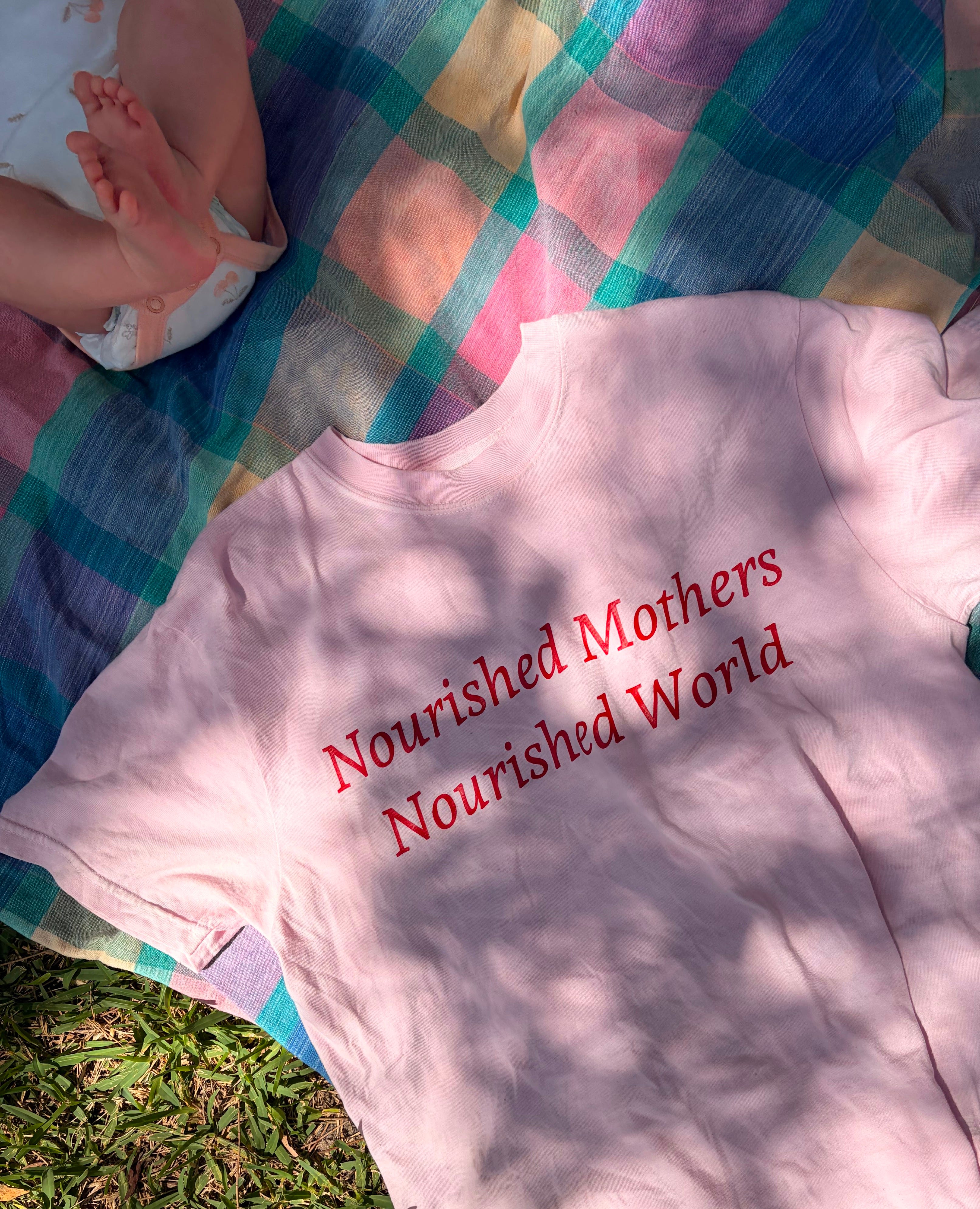
I’ve honestly been so moved by the conversations this shirt sparks out in the world around motherhood, nourishment, and postpartum care. It gives me hope for what we are remembering and slowly weaving back into community.
Autumn Recipe
I am sharing a simple and nourishing Chicken & Ginger Congee.
In Japanese, gohan means both rice and meal. Rice not just as food, but as comfort, steadiness, and life returning to the body. And when cooked slowly with extra water, it becomes okayu… a soft rice porridge often eaten in sickness, postpartum, recovery, or whenever gentleness is needed.
Congee carries this same spirit. A warm blanket for the belly. A slow return to water, rice, warmth, and time.
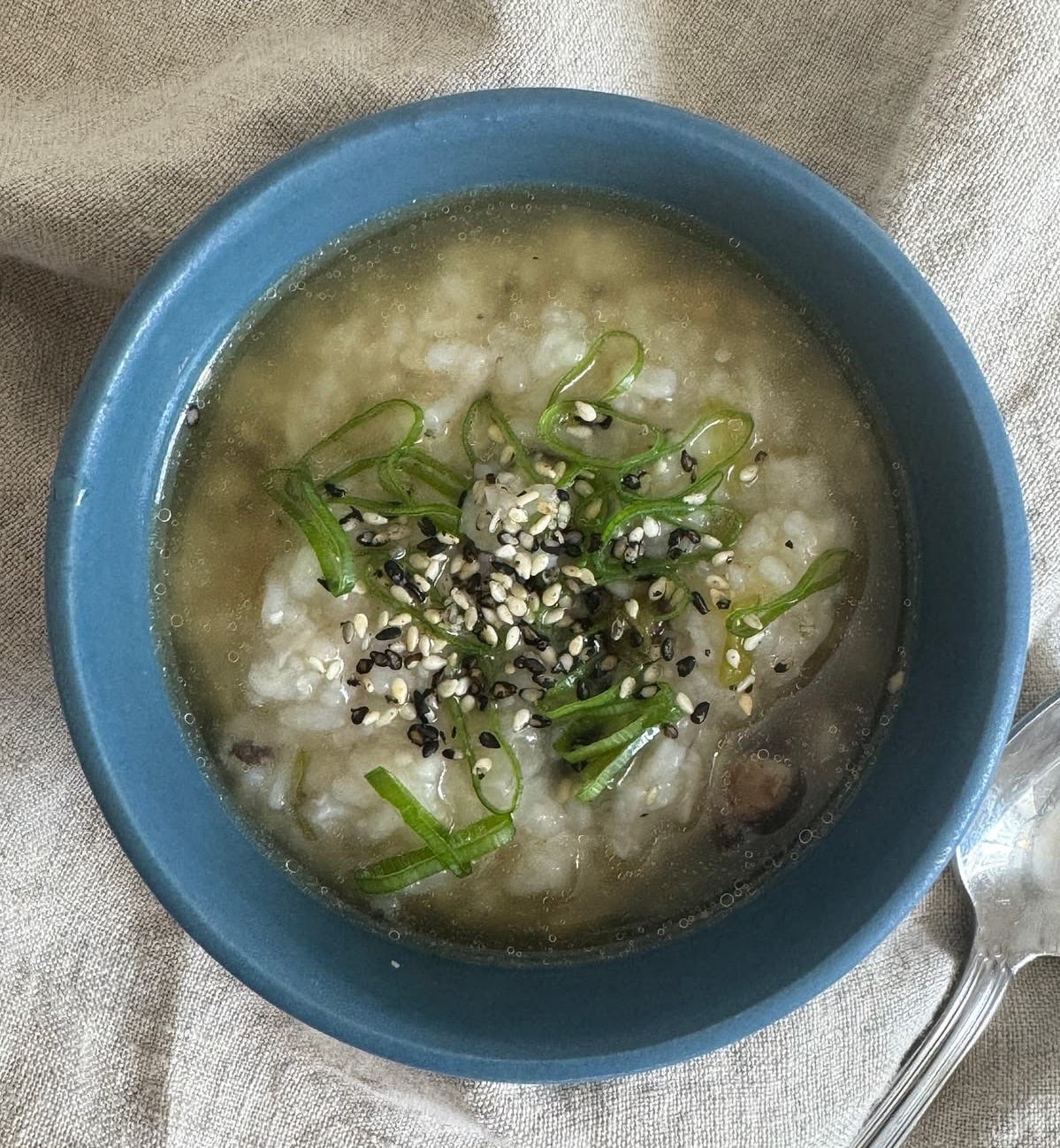
What you need:
1 cup rice
8 cups water
6 chicken thighs (bone-in)
1 chunk fresh ginger (about thumb-sized), sliced
Salt
Spring onions (optional)
Method:
Rinse the rice.
Put the rice, water, chicken, and ginger into a big pot.
Bring to the boil.
Turn down low, cover, and let it gently simmer for about 1–1.5 hours.
The rice will slowly break down and become soft and creamy.
Remove the chicken and let it cool slightly.
Shred the meat and discard the bones.
Stir the chicken back into the pot.
Add salt to taste.
Serve warm with spring onions on top if you like.
You can also add:
garlic
sesame oil
soy sauce
soft boiled egg
Seaweed
Soft meats
Or literally anything you feel to be nourishing
Autumn Community Spotlight
This Summer, I’d love to shine a light on an exceptionally wise and deeply embodied human, mother… and someone I am honoured to call my friend, Mel Wangmann.
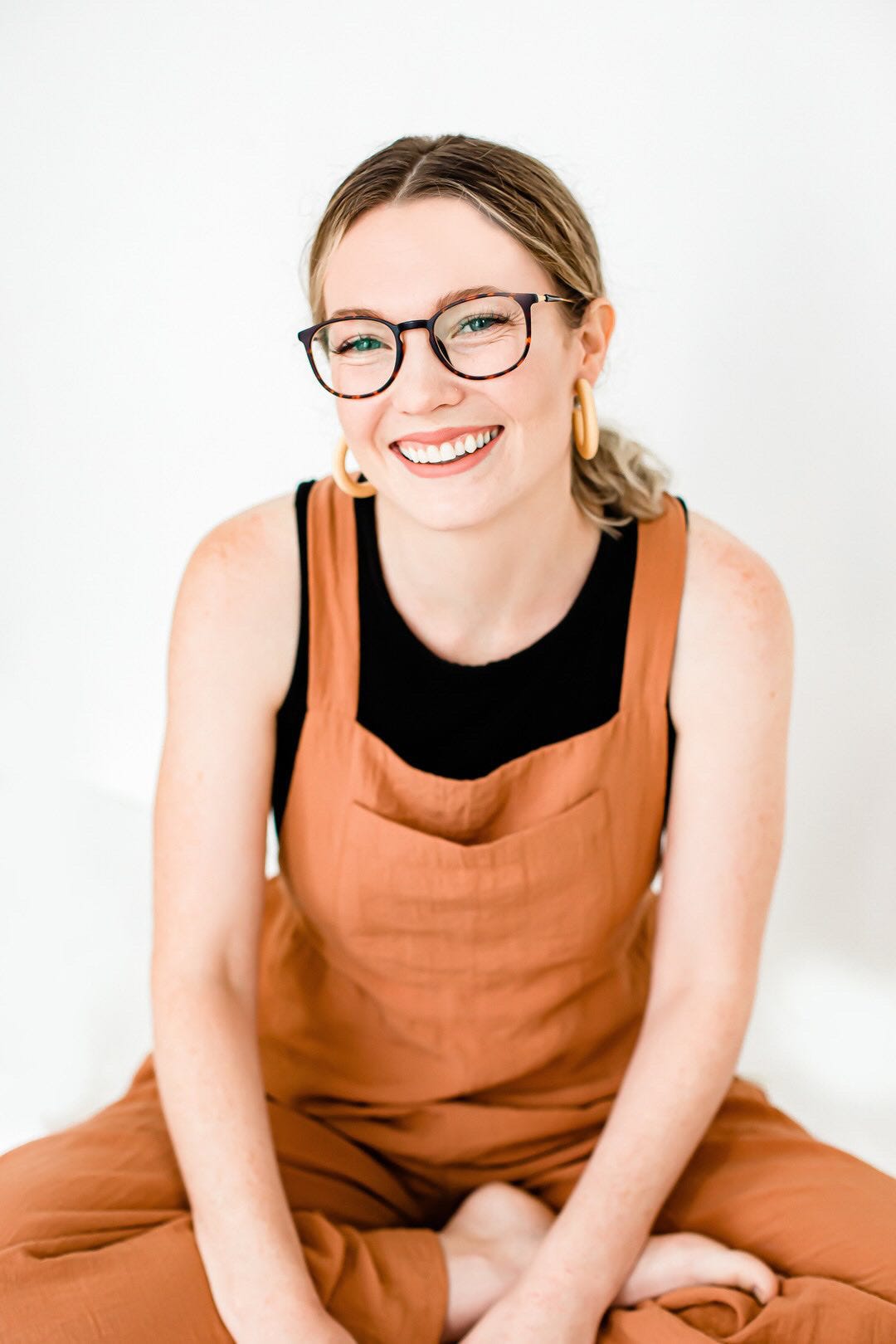
Mel is a Registered Arts Therapist, mentor, and founder of Ipsarty — a Creative Care Collective for arts, play, and body-based allied health practitioners. Her work challenges traditional models of care, centering relational presence, lived experience, and creative process as pathways to healing. Drawing across multiple modalities, she supports practitioners to build practices and businesses that are grounded in integrity, sustainability, and genuine connection. As a mother, her work is anchored in a deeply human understanding of care, capacity, and what it means to create in the midst of real life.
Her studio is currently undergoing a rebirth into something truly spectacular. I’ve personally witnessed this woman create literal magic through the process… including painting the entire studio floor pink with a toddler and baby strapped to her.
She is now calling in a team of aligned arts, play, and body-based allied health practitioners to have the honour of creating and offering their work from her incredible studio in Warana on the Sunshine Coast.
She will also be offering business mentorship for those wanting support in integrating the mystical, intuitive, and deeply human aspects of themselves into their offerings in a grounded and practical way.
For both professionals and individuals seeking to work within or receive from this sacred space that is Ipsarty, follow her over on Instagram here (and she is also on Substack at Ipsarty- Mel Wangmann).
Beautiful read x I love how thoughtful this is
My favourite seasonal newsletter ever! It has taken me some time to get to this one — I sit here enjoying a warm bowl of minestrone soup (having made it weeks ago with Nonna) needing to defrost it for a quick meal tonight. Baby daddy with baby and me thinking finally, what can I consume that will be nourishing? This! The luteal phase is big for me, reframing it as a time for discernment is so important - thank you. “If it feels like you’re reliving the same stories over and over…” I felt that! So so so much as my stories tend to revisit so many times until I can no longer stand it anymore and something must change. In awe of you mumma, thank you for your medicine.